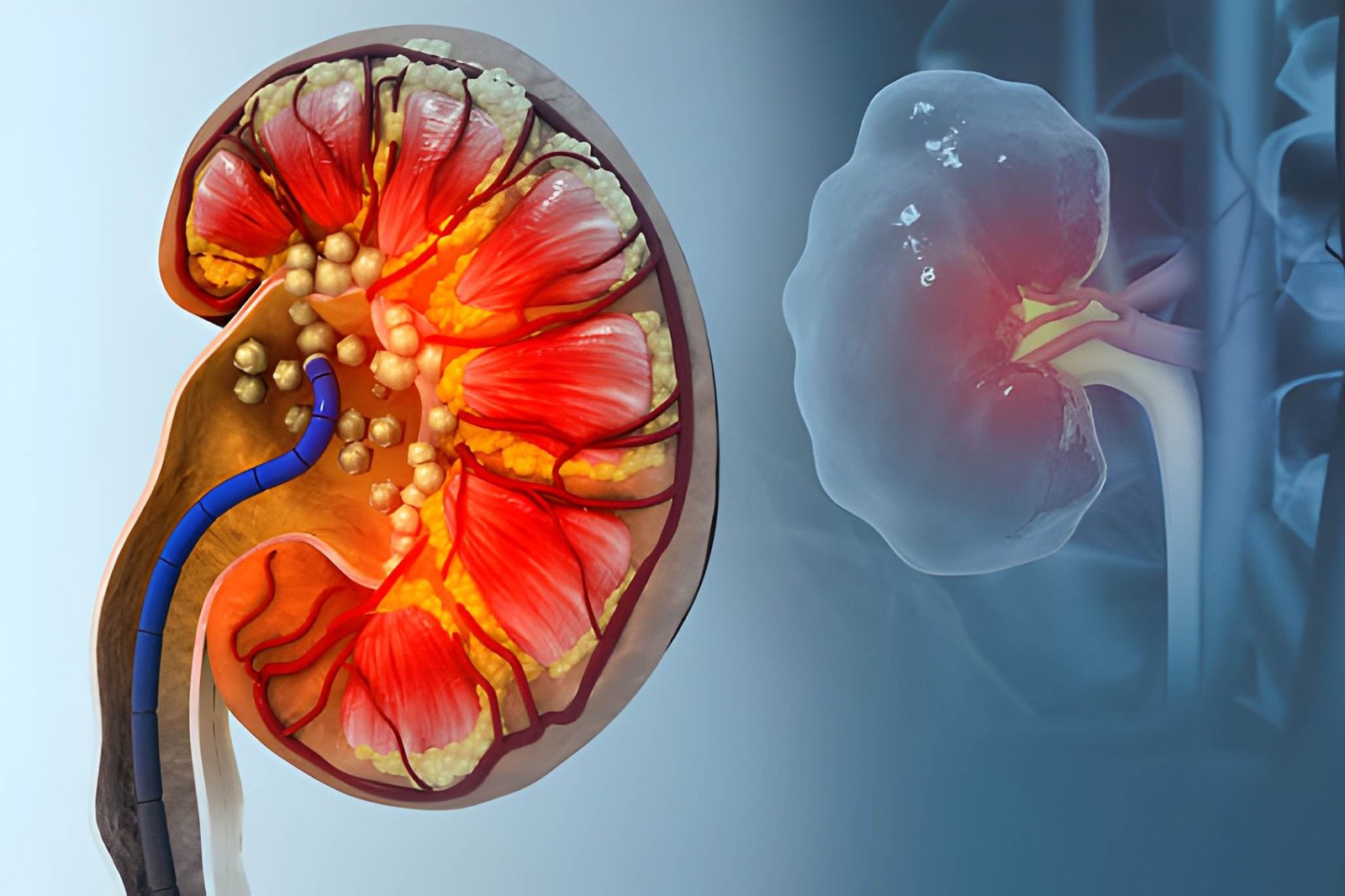
Some people experience kidney stones once, while others face them repeatedly. Recurrent kidney stones are rarely due to bad luck—they usually have underlying causes.
One major reason is treating only the stone, not the root cause. Many patients return to old habits after recovery, without addressing hydration or dietary patterns.
Hydration is one of the biggest factors. Many people believe they drink enough water, but in reality, their intake is insufficient. Dark yellow urine often indicates a higher risk of stone formation.
Diet also plays a critical role. Avoiding calcium completely is a common mistake. Low calcium intake can actually increase stone risk. High salt, processed foods, and excess protein intake can further contribute to stone formation.
Metabolic and genetic factors also matter. Some individuals naturally excrete higher levels of calcium, oxalate, or uric acid, increasing their risk. Without proper tests like stone analysis or a 24-hour urine test, prevention becomes difficult.
Medications and supplements, including excess vitamin C or improper calcium supplements, can also alter urine chemistry and contribute to stones.
How to prevent recurrence?
- Drink sufficient water daily
- Maintain a balanced diet
- Reduce salt and processed foods
- Get proper medical evaluation
- Stay consistent with healthy habits
Conclusion: Kidney stones often recur due to unnoticed lifestyle habits and lack of proper evaluation. Understanding the root cause is the key to long-term prevention.