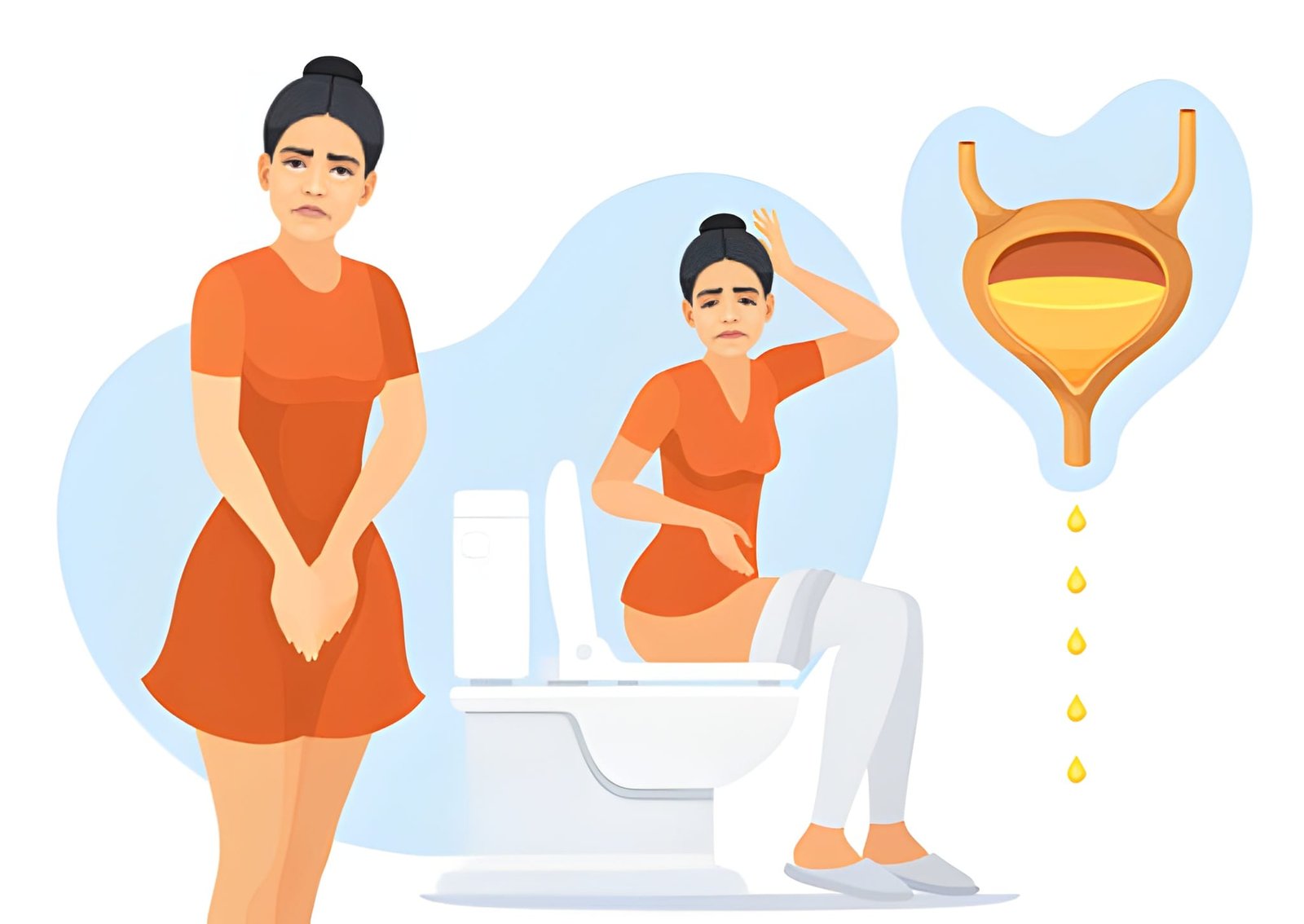
We’ve all been there, stuck in traffic, in the middle of a meeting, or simply too comfortable to get up, and we delay going to the bathroom. Occasionally, holding urine might not seem like a big deal, but making it a habit can have consequences for your bladder health.
Your bladder is designed to store urine for a certain period, typically holding about 300–500 ml comfortably. When it fills up, your brain receives signals telling you it’s time to empty it. Repeatedly ignoring these signals can stretch the bladder beyond its normal capacity. Over time, this may weaken the bladder muscles and reduce their ability to contract properly.
One of the most common risks of frequently holding urine is urinary tract infection (UTI). When urine stays in the bladder for too long, it creates a favourable environment for bacteria to grow. This can lead to symptoms like burning during urination, cloudy urine, and discomfort in the lower abdomen.
Another issue is bladder dysfunction. Habitually delaying urination can interfere with the natural communication between your brain and bladder. You may start experiencing problems like difficulty in completely emptying your bladder or a sudden urgency to urinate.
In more severe cases, especially if someone consistently holds urine for extended periods, it can lead to urinary retention, where the bladder doesn’t empty fully. This can increase pressure on the kidneys and, in rare situations, may even affect kidney health.
Children and working professionals are particularly prone to this habit, kids often avoid using school restrooms, while adults may delay bathroom breaks due to busy schedules. Over time, this behaviour can take a toll on urinary health without them even realizing it.
That said, it’s important to understand that occasionally holding urine, for example, when you don’t have immediate access to a restroom, is generally not harmful. The concern arises when it becomes a regular pattern.
What’s the right approach?
Listen to your body. When you feel the urge to urinate, try not to delay it for too long. Maintaining a regular bathroom routine helps keep your bladder healthy and functioning properly.
Staying hydrated is equally important. When you drink enough water, it encourages regular urination and helps flush out toxins and bacteria from your urinary tract.
If you’re experiencing symptoms like frequent UTIs, pain while urinating, or difficulty in passing urine, it’s important to seek medical advice.
In conclusion: While holding urine once in a while is normal, making it a habit is not. Your body gives you signals for a reason, pay attention to them. A simple step like not delaying bathroom breaks can go a long way in protecting your bladder health.