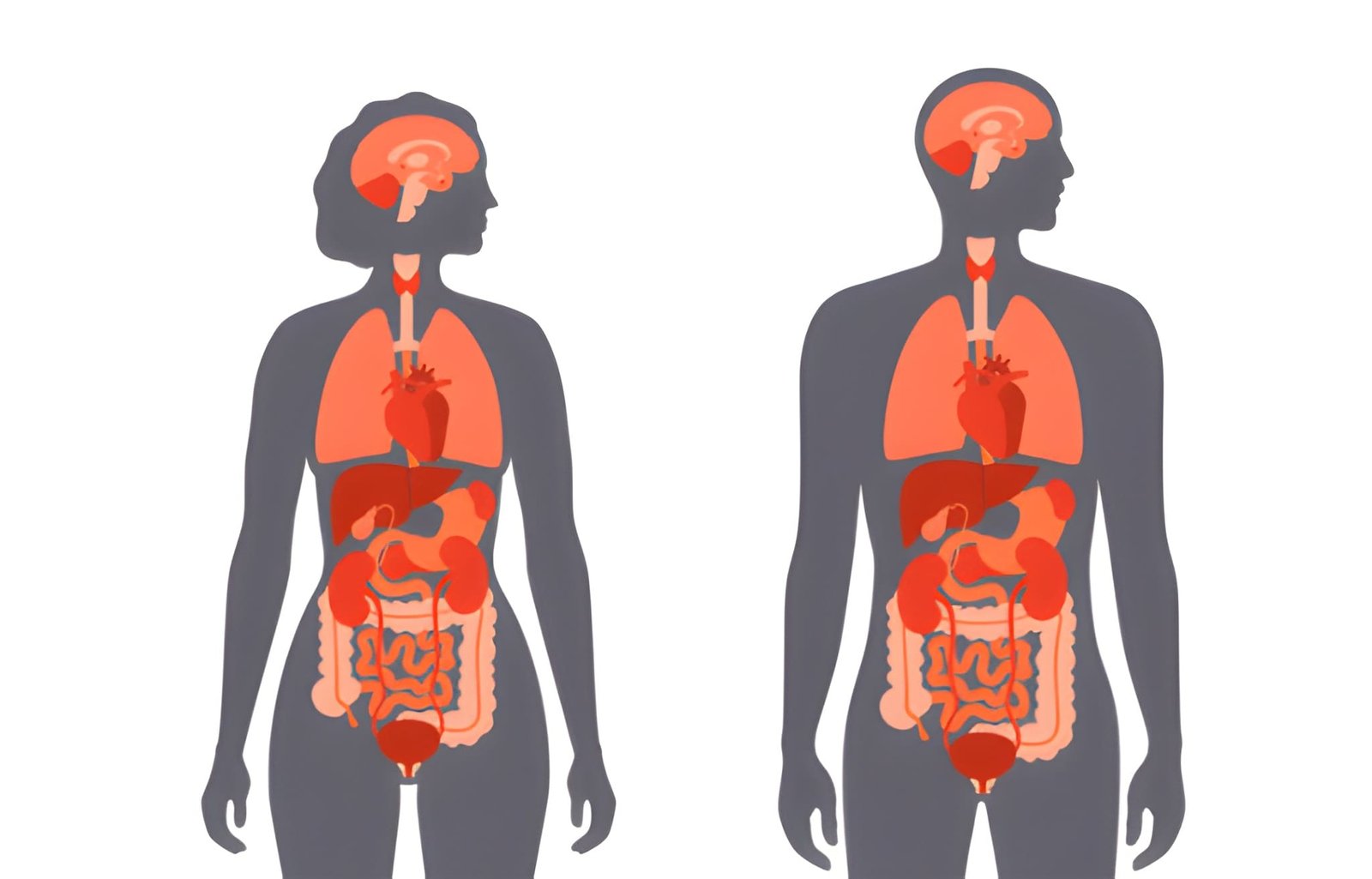
Urinary tract infections (UTIs) are often considered a women’s issue, but men can develop them too. The causes, symptoms, and treatments differ significantly between genders.
Why UTIs are more common in women
Women have a shorter urethra, making it easier for bacteria to enter the urinary tract. Hormonal changes, sexual activity, and hygiene factors also increase risk.
Common symptoms include burning urination, frequent urge to urinate, and lower abdominal discomfort.
UTIs in men
UTIs are less common in men but often more serious. They may indicate underlying conditions like prostate enlargement, kidney stones, or diabetes.
Symptoms include painful urination, fever, pelvic pain, foul-smelling urine, and sometimes blood in urine.
Why symptoms differ
Women usually experience bladder irritation symptoms early. Men often develop more severe or systemic symptoms like fever or back pain.
Treatment differences
- Women: Short course antibiotics for uncomplicated UTIs
- Men: Longer treatment + investigation for underlying cause
Doctors may recommend urine tests, imaging, or prostate evaluation in men.
When to see a doctor
If symptoms persist, worsen, or include fever, back pain, or blood in urine, medical care is essential.
Conclusion: UTIs behave differently in men and women. Early diagnosis and proper treatment help prevent complications and ensure faster recovery.